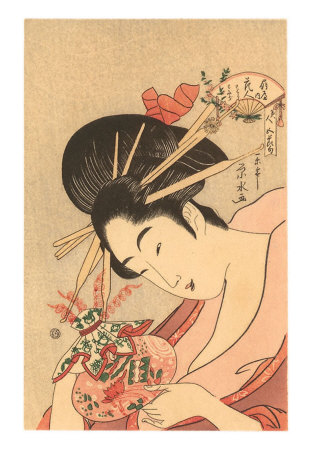
1. Tsuya, (to spend the night)
When a Japanese person dies the lips of the deceased are moistened with water in a ritual called "Water of 'last minute" (末期の水, Matsugo-no-mizu). The family shrine is closed and covered by a white paper, to keep away the unclean spirits of the dead. Then the body is washed in a bathtub (Sakas mizu), which means that the body is washed in water that was mixed several times by water hot tub of cold water. Once done this, the body is dressed in a suit for a man or a woman in a kimono with the kimono is closed in the opposite way to how to use it for a living person (right on left). Then the family and / or close friends will spend the night with the body, Durno which you can read sutras for the dead or spend time in quiet conversation talking about the deceased. Furthermore, the body is often surrounded by candles, incense, offering rice, and other factors which should keep the spirit of the deceased at home.
2. Soshiki (the funeral)
While the vigil was underway, a funeral company is usually in agreement for the installation and construction of an altar in the style of the country of origin of the deceased, or a room, or a Shinto shrine / Buddhist. The body is placed in a coffin with his head facing north, this direction is considered bad luck in any way a living person is lying in bed with his head to the body will nord.Accanto an offering of rice with one or two sticks standing upright, it's a lunch for the dead to eat on their journey to the afterlife, the position of the rods indicates that the deceased is no longer among the living. ; If the funeral is a Buddhist, a monaco read sutras for the dead, and then each person will approach the deceased and to offer prayers and incense. Once all the guests made their prayers and offerings, necrofori will carry the coffin into a hearse in which the body will be guided to crematorio.Negli years, the family used to accompany the body to the crematorium, but recently the family and friends move to a restaurant for a meal catering. Before the cremation, the family prepares a Zuda-kunichi, which contains fragments of nails, personal items, and coins of the journey to 'Anoye bag that is placed around the neck of the deceased. After cremation the ashes of the deceased are placed in an urn and tradition has it that the larger bone fragments are passed from person to person with pairs of sticks (ASHI).
The casket will then be kept on the altar of the family home, near a plaque that says the name of the deceased, until 49 days after death.
3. Shonanoka (seventh day after death)
On the seventh day after the death of the person is holding a ceremony for the dead, where
sutras and prayers are offered to the deceased.
4. Shiju-kunichi (the 49 days after death)
One of the focal Japanese traditions is the expectation of 49 giorni.Il day 49 is significant because the Japanese believe that the spirit dwells in leaving or staying in the body for 49 days before it happens partenza.Questo Asthe the soul on a journey of 49 days through the land of the dead where it is judged and assigned to go to one of the six realms of Buddhist cosmology, this 49 th day after returning in body. The urn containing the ashes of the dead is now placed in the family tomb, and the sutras and prayers are offered to defunto.Il deceased receives a new Buddhist name (kaimyō). This name apparently esoteric and prevents the return of the deceased, if his name is chiamato.I kaimyō kanji for these are usually very old and are rarely used, and few people nowadays are able to name leggerli.Questo is burial place on the tablet (ihai).
The urn containing the ashes of the dead is now placed in the family tomb, and the sutras and prayers are offered to the deceased.
is also believed that the final ruling of the deceased who is from 49 days for a good, respectable person go to heaven or less respectable a person to go into these other realms of hell. But it must be remembered that sutras, prayers, and other memories for the deceased can help improve the decision made by the deceased. Furthermore, it is believed that the status of a deceased person may fall if the proper respect for the deceased has not been paid during the time, so Obon rituals and other festivals are important to the deceased.
Japanese superstitions and beliefs
Here are some examples of small beliefs inherited from the past or things to be avoided in Japan because the superstitions that surround them. Most of them have death as a subject .
- Avoid 4: as in Chinese, in Japanese pronunciation of this number is the same as the word for death (shi ). It is therefore strongly discouraged offer present consists of four elements.
- Avoid 9: the pronunciation of this number is equal to the Japanese pronunciation of the word suffering ( kyu). Therefore, usually in a hospital can not find the room 9.
- If you go to visit a patient in a hospital, you have to offer cut flowers (without roots). The roots can mean a long "stay".
- Sticking your chopsticks into your rice. This gesture refers to the Buddhist funeral rite. In fact, during the ceremony begins as an offering of rice with chopsticks planted near the altar.
- Spending food from chopsticks to chopsticks. Even this act reminiscent of the Buddhist funeral rite. After the cremation of a relative, the staff of the crematorium with the help of sticks shall not consumed the remains of the deceased family member because this man I put them in the urn burial.
- is not recommended to sleep with their heads facing north because that is how you bury the dead.
- When a passing hearse or walking near a cemetery, it is customary to hide in (especially for chil-dren), as they represent the parents and hiding it protects them from death.
- It is said that if you cut your nails in the evening you will not be with their parents when they die.
- There will be transformed into cow if you lie down immediately after eating. One way to say that this gesture is not advisable to do so indelicate.
- Whistling at night will attract snakes.
- Even in Japan to prevent the cats from blacks like us, have strangely the same fame.
- What is true is true for blacks cats crows.
- If you put a cat on a coffin, the deceased will awaken.
- The paper cranes. It is said that bend X will be granted one wish one thousand. We offer thousands of cranes paper to the sick so that they can heal more quickly.
- Salt put on the door of your house will protect you from evil spirits.
- Breaking the string of your geta (sort of flip-flops) is a sign that bad luck is coming: Kuwabara kawabara are the words to say to prevent lightning strikes on you. Kuwabara has a special meaning. However draws its orgine that the god of thunder does not like the mulberry tree, which in Japanese is said kuwa. The term "coffin " means field.
- not have to throw the dolls as can hold a spirit. For this reason, some people bring to the temple then.
- The Butsumetsu is the day of death of the Buddha. This day is not recommended to take a trip or any activity can be risky.
- The Taian is the day when the economy turns out to be favorable elements for a company, a wedding ... The Taian is determined by the lunar calendar.
- not to provoke the jealousy of the mountain spirit dela ( Yamagami, which is female), usually at the opening of the galleries are not invited women.


0 comments:
Post a Comment